How I lead

I build design teams that make better product decisions

The systems we built became useful well beyond the design team. Executives used our value framework in funding decisions, five functions adopted our design system, and junior designers began owning work that had previously required senior specialists. These six stories show how that happened.

Planning

I put design into the decision, not just the delivery

I translated design into business terms

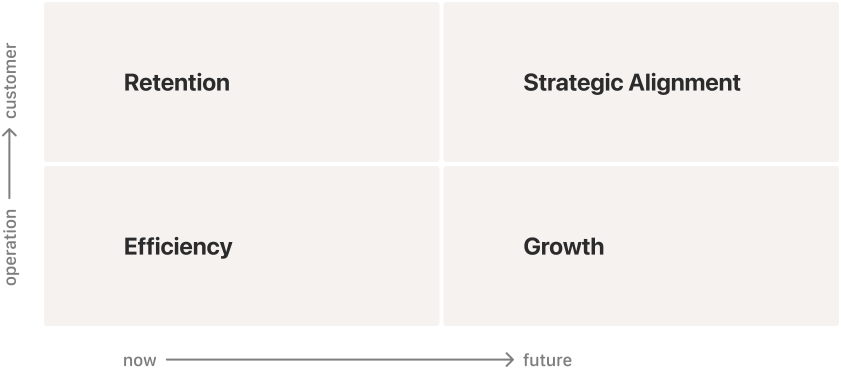
Design proposals were being read as visual improvements because nobody had priced their value. Working with product leadership, I built a taxonomy of design work, mapped it to company metrics, and wrote a rubric that weighed user value, business value, effort and risk in the same conversation.

Executives started using the design levers in funding meetings.

Three models that tied design to business metrics
I made complexity a scoping constraint

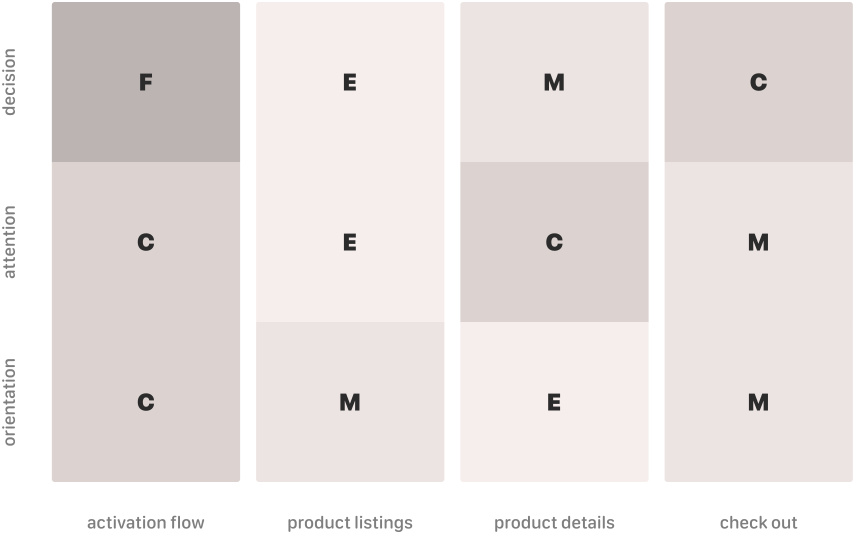
Everyone agreed simplicity mattered, but nobody had a way to defend it. The complexity budget scored each flow on decision, attention and orientation load, which gave product, research, design and engineering a shared way to see where scope was asking too much of users and cut it before it reached the interface.

Complexity stopped being something to polish and became a cost to justify.

A complexity budget for scope decisions

Standards

I made quality something other teams could rely on

I built a design system five functions chose to use

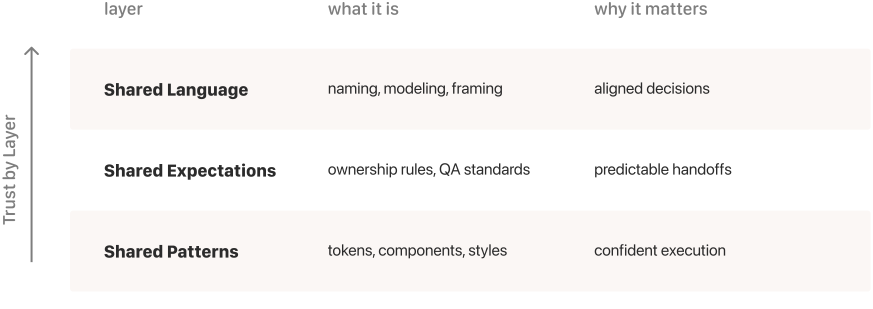
Quality was drifting across siloed teams, conflicting standards and repeated handoff failures, so I led a system of more than 200 components that connected product, engineering, creative, marketing and planning. Nobody was ordered to use it — product managers learned it, engineering mirrored it, and teams began planning around it.

A design project became infrastructure that five functions rely on.

A design system five functions chose to adopt

I made “good enough” a deliberate threshold

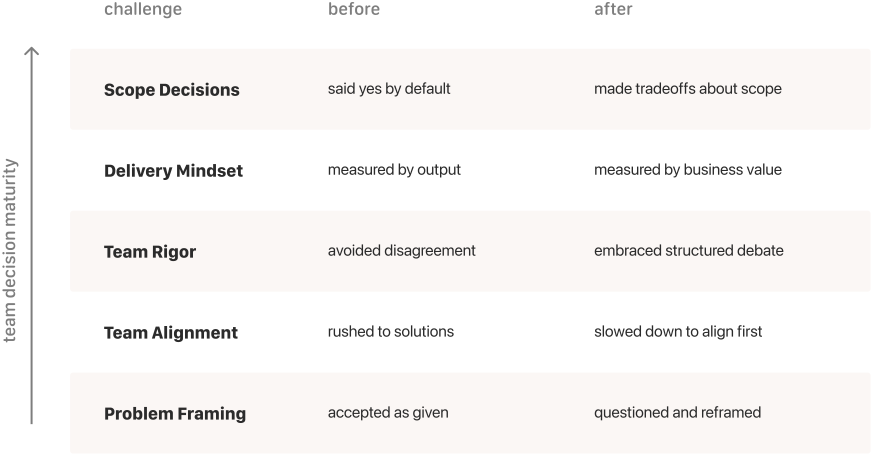
Teams were rushing through problem definition and then polishing execution forever, so I flipped the standard: exceed the bar while you are defining the problem, and defend “good enough” once the work has done its job.

The team got more rigorous up front and stopped sooner at the end.

Knowing when to stop building

People

I developed designers to own more than execution

I rebuilt specialist roles around product ownership

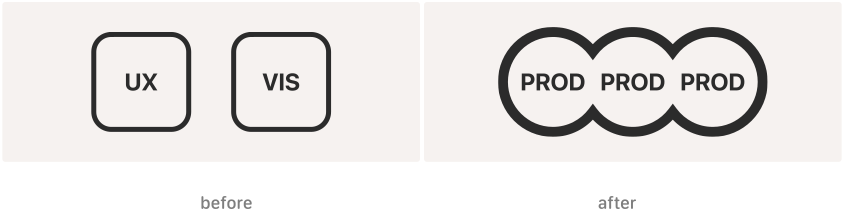
After the pandemic shrank the team, a structure built on handoffs between UX and visual specialists was too brittle for the pace of the work. I rebuilt the group around junior product-design generalists and coached them to own everything from first framing to final delivery.

Junior designers delivered what senior specialists once had, faster and with fewer dependencies, then grew into planning and mentorship.

Rebuilding the team from specialists to generalists

I rewarded influence, not just output

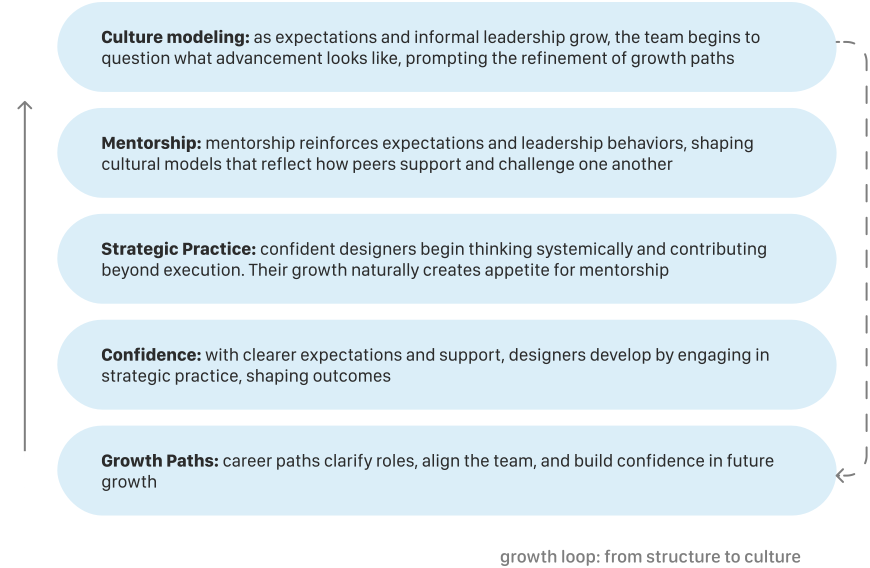
The career path rewarded execution, which kept capable designers out of strategic conversations. I made problem framing, recommendations, influence and mentorship count toward advancement, and gave designers room to practice them in roadmap and tradeoff meetings rather than only in critique.

Designers advanced by shaping direction, not by shipping more.

Promoting designers for influence, not output