People
Promoting designers for influence, not output
How I shaped cross-functional reputation by tying advancement to planning impact
Their growth was measured by how they shaped direction, not just by what they delivered.
The Challenge
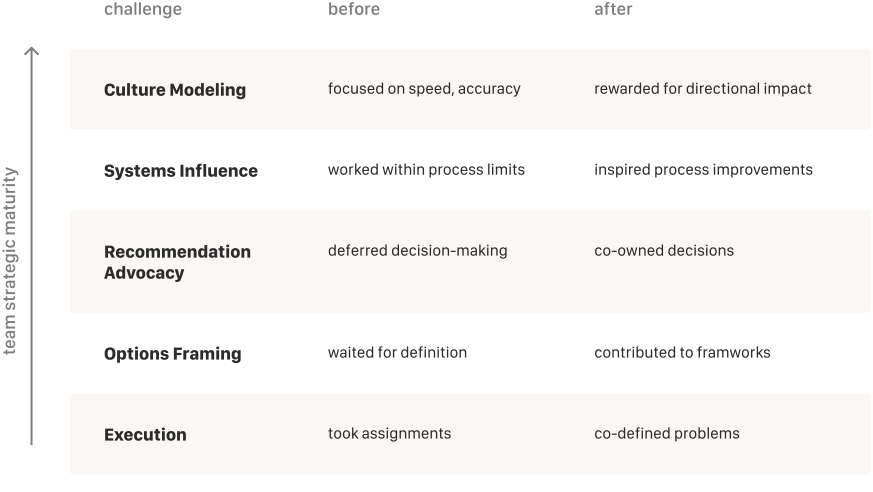
Designers on the team were capable, but their work rarely shaped the product. They were locked in delivery mode, implementing decisions rather than informing them. Promotion paths favored execution strength over judgment or influence, so even high-performing team members remained on the sidelines of strategic conversation. Too often, effort went into well-built features that fell short of expectations. The team lacked the credibility, opportunity, and structure to operate as partners in planning.
My Response
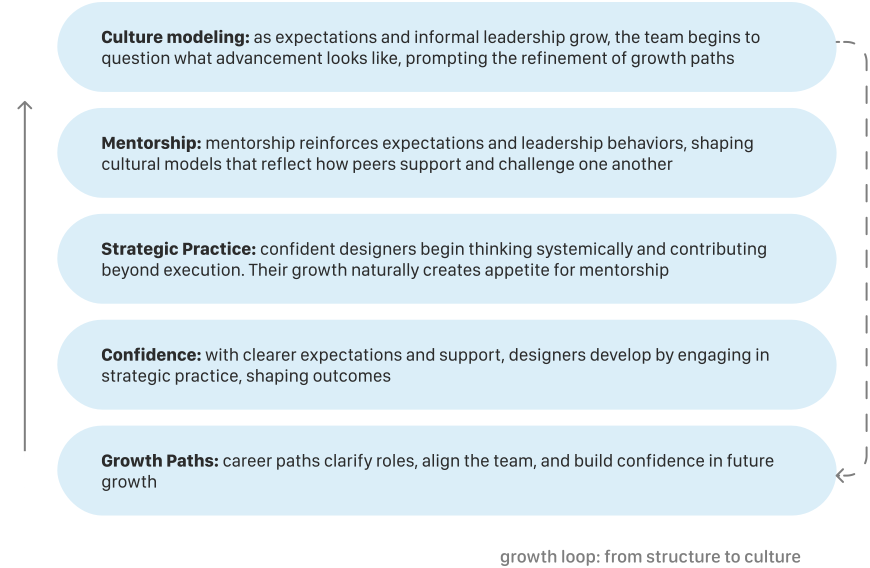
I introduced a development model that prioritized cross-functional fluency rather than execution alone. The framework outlined five stages of maturity: framing problems clearly, recommending direction, influencing strategic decisions, advocating for systems, and mentoring through clarity and simplification. To put the model into practice, I wove structured mentorship, peer critique, and leadership-facing moments into the team’s rhythm. Designers practiced making strategic recommendations during roadmap debates and tradeoff reviews, not just design critiques. Confidence grew through exposure and repetition.
As designers advanced, their growth was measured by how they shaped direction, not just by what they delivered. Junior team members began speaking with clarity, earning trust, and contributing meaningfully to planning.
Key Outcomes
- Cross-functional fluency became a promotable team strength
- Growth came from learning to shape, not just ship, solutions
- Designers grew through real strategy exposure, not just feedback loops
- Peer critique built stronger judgment and visible leadership skills
- Mentorship advanced clarity, confidence, and promotion readiness